13 LGBTQ+ Road Trip Tips You Need To Know
Planning a road trip as an LGBTQ+ traveler shouldn’t have to mean checking the map to see whether your route takes away any of your rights. But in the current landscape, that’s an unfortunate reality. Learn how to confidently assess an LGBTQ+ road trip route, so you can balance adventure with authenticity and safety.
Whether you’re cis or trans, traveling solo or with a partner, these LGBTQ+ road trip tips will help you plan a route, find safe stops, and actually enjoy the journey.

1. Map Out LGBTQ+-Friendly Road Trip Stops in Advance
Some cities and towns are known for being LGBTQ+ friendly. Others are less inclusive.
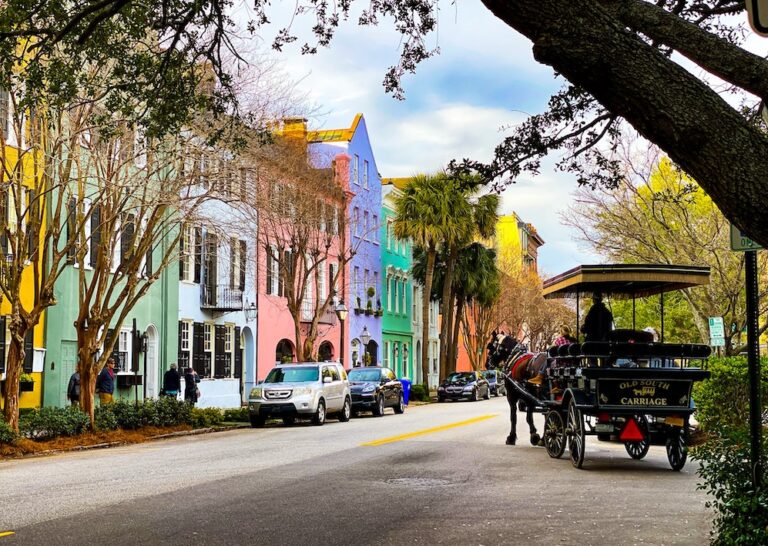
I’ve driven across the US twice, and I’ve found found that many cities are more welcoming than their laws would suggest. But it’s worth stacking your road trip route with some obviously inclusive cities – the kind of cities where you can linger in queer neighborhoods and feel like you blend in.
You can find those on the coasts – from Seattle to San Francisco and New York to New England– but you can find them inland, too.
A few of my non-obvious favorite LGBTQ friendly cities to visit on a gay road trip include:
- Minneapolis, Minnesota
- Duluth, Minnesota
- Detroit, Michigan
- Ann Arbor, Michigan
- Madison, Wisconsin

2. Don’t Assume Rural Areas Are Unsafe on an LGBTQ+ Road Trip
I know, you’ve heard me say this before: Not all rural places are automatically anti-queer!
In fact, in some ways the culture can be more welcoming than in big cities.
Don’t believe me? Check out this post on being queer in the country, which pushes back hard at the assumption that rural = red flag if you’re LGBTQ!
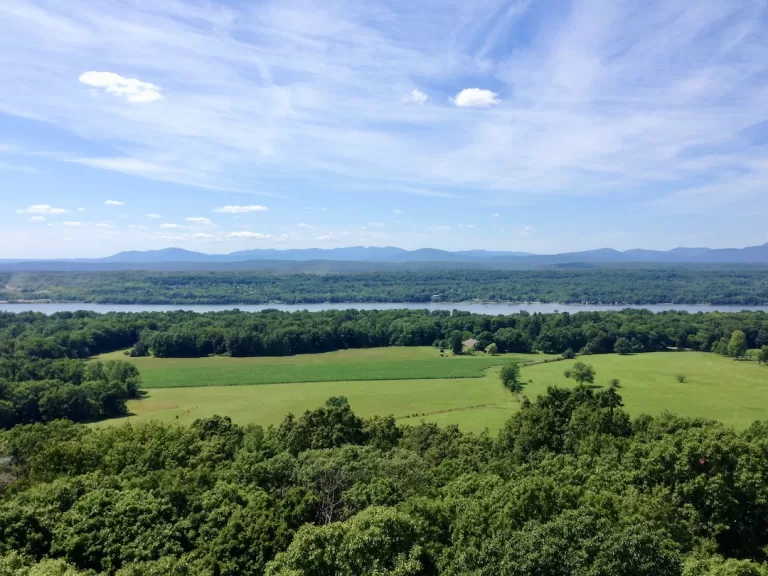
So if you’re passing through a rural area and need a coffee break or a spot to crash out for the night, go for it! You just might fall in love with a cute new town. That’s what happened to me when I visited Flagstaff, Arizona!

3. Book LGBTQ+-Friendly Accommodations
LGBTQ+ friendly accommodations deliver peace of mind.
These hotel brands have inclusivity commitments, so you can check in without the dreaded question.
LGBTQ friendly campgrounds are another great option to consider.
And if you want to book a smaller hotel or vacation rental, use sites like Misterb&b to check if they’re gay friendly.
At the end of a long day’s drive, you want to be able to relax in peace, not worry who h the room or the campsite next to you and what their politics are!

4. Not Sure if a Hotel is LGBTQ-Friendly? Check it Out
Maybe you’re staying at a smaller hotel, motel or vacation rental.
A few of the things I always check for include website images or content targeting LGBTQ+ people, social media Pride posts, or reviews from gay and lesbian travelers.
I made an inclusive hotel checklist walking through exactly how I do this.
Save it to your phone and take it on your trip!

5. Avoid Stopping in Isolated Areas (Especially at Night) on an LGBTQ+ Road Trip
If you want to have a picnic lunch on remote public land during the day, go ahead.
But at night, avoid stopping in isolated areas if you can help it.
You are much better off being in an area with bright lighting, foot traffic and other cars if something were to go wrong.

6. Plan LGBTQ+ Road Trip Bathroom Stops Strategically
Restroom access is one of the most stressful parts of an LGBTQ+ road trip for gender nonconforming and trans travelers.
It isn’t just trans travelers who need to worry. Cis people get confronted as well – like a woman who is perceived as “too tall” or not feminine enough.
Here a few of my favorite bathroom tips for LGBTQ+ road trips:
- Look for Starbucks: Starbucks have gender neutral single stall restrooms, so download the Starbucks app to find a nearby store.
- Use highway rest stops: People generally don’t linger at highway rest stops, which makes them fairly safe for gender nonconforming travelers. For extra privacy, wear a hooded sweatshirt and pull the hood up when entering the restroom.
- Use a truck stop: Truck stops are another place where people do their business and don’t linger. Truckers are also used to seeing more masculine women and androgynous people, so they’re not likely to react with bias.

7. Decide How You Want to Present On Your LGBTQ+ Road Trip
On any trip, LGBTQ travelers have to decide how to present themselves based on what feels comfortable and safe in the moment.
These are decisions we have to make with very little information – which is why I spend so much time in (Out) On the Road breaking down these pre-trip decisions and offering tools and strategies for LGBTQ travelers to use.
If you want a deeper look at these topics, give it a read!
The simple version is that some LGBTQ+ travelers choose to blend in when they travel, so as not to attract extra attention, and others don’t.
Neither choice is right or wrong. It’s about what feels comfortable and right to you, which can change depending on where you’re going.
On an LGBTQ+ road trip, you might want to blend in if the state you’re driving through has anti-LGBTQ+ laws, and be yourself in the LGBTQ+ friendly states on your route.

8. Pack Strategically If You’re Nonbinary or Trans
Packing strategically helps gender nonconforming and trans travelers blend in.
If you normally wear bright and colorful clothing, bring a few basic neutrals for blending in.
A hoodie or hat is a great disguise if you feel like you’re getting off looks.
AFAB people should consider taking a female urination device, like the p style. This helps you pee standing up for those instances when you need to go quickly and discreetly.
Urination devices also come in bag styles. If you’re staying in accommodation with shared restrooms and you don’t feel comfortable using them alone or at night, those can be helpful.

9. Use LGBTQ+ Apps to Find Community
One of my favorite parts of travel is meeting local people and learning about their lives.
LGBTQ+ apps can help you find safe spaces and connections on the road. A few of my favorite queer apps for LGBTQ+ road trips are:
- Everywhere Is Queer: easiest way to find queer-owned businesses
- HER: Dating, events + community for queer women
- Lex: Dating, events + community for queer people
- Grindr: Hookups and meetups for gay men
- Hey Famm: LinkedIn but make it queer

10. Follow These Road Trip Best Practices
Queer travelers don’t just have to worry about how other people perceive us, we have to worry about all the everyday issues that come up when we travel.
On a road trip, this includes proper vehicle maintenance and road trip safety advice.
To make your trip more comfortable, follow these road trip best practices:
- Research state laws and policies so you know what to expect – I break down exactly how I do this in (OUT) ON THE ROAD
- Share your itinerary so someone always knows where you’ll be
- Arrive at your next location during daylight if possible

11. Stay Friendly, But Be Mindful of What You Share
Chatting with queer locals is one of my favorite ways to discover a different angle of a destination.
Whether it’s talking to the bartender or taking a walking tour led by a local and picking their brain, I love getting their suggestions for what to see and do in a city.
I won’t discourage you from being friendly, but I will remind you to be cautious. Avoid oversharing personal details in unfamiliar environments, especially if you are traveling solo.
And if you feel that gut twinge of intuition that tells you something doesn’t feel right, respect it. Listen to it. Get yourself out of there.

12. Prep Your Vehicle Before You Go
Get your car serviced before your trip.
Make sure the mechanic changes the oil and checks the tires.
Have them top off windshield wiper fluid.
I like to do a full inspection for peace of mind.
As a backup, get a roadside assistance plan. This might be included as part of your auto insurance, or you can purchase AAA.
If your car breaks down, you want to call for help and know someone is on the way. I can’t stress this enough.

13. Let Yourself Enjoy the Drive. Take Rest Days on Your LGBTQ+ Road Trip
Long drives are draining, especially if you are the only one doing the driving, which I usually am!
Limit your diving to 200 miles a day. If you need to get there quickly, you can do 300 miles a day but too much more than that is draining.
Give yourself breaks along the way by picking out fun activities to do.
Take rest days in between, where you stay and explore the communities along your route.

With the right preparation, an LGBTQ+ road trip can be an incredible experience. From national parks to vibrant queer neighborhoods, there’s so much to explore. Take the time to research and plan where you want to go and what to expect along the way. Like I did, you might find that most places are more welcoming than you might expect!
Heading out on a road trip? Grab my inclusive hotel checklist to make sure stays feel supportive!