How to Be an LGBTQ+ Ally While Traveling
At every book tour event, I got at least one question from an LGBTQ+ ally. Usually, these allies were parents, grandparents, and siblings of queer people. They wanted to know “what’s different about LGBT+ travel that I need to know?” and ““what can I do to make travel safer and more inclusive?”
I strongly believe that it’s in all of our best interest to make travel inclusive for LGBT people – and for everyone who second guesses whether they belong. That’s why I made a cheat sheet of ways to be an LGBTQ ally when you travel. It’s got suggestions for how to be a better ally to queer people you’re traveling with, plus local gay and lesbian people you meet in your destination.
If you’re just looking for a quick reference guide to take on trips, join the email list to unlock your free copy of that. Otherwise, keep reading for an explanation of how to be an LGBT ally while traveling, and why it’s so important.

How to Be an LGBTQ Ally: My Top Tips
Every time an ally speaks up, spends intentionally, or simply makes space for a queer traveler to be fully themselves, it makes a real difference. Here’s how to do it well.
Pro tip: This LGBTQ+ ally checklist is a great resource for travel. And it’s also a nice conversation starter for those times you’re traveling with friends and fam who love you, but don’t always understand how things hit differently because of your orientation, gender identity or gender expression.
Research your destination
Before you travel, research your destination’s laws and attitudes toward LGBT rights. These are my favorite research tools to use:
- Equaldex: Lets you compare countries to one another and check the history of laws and attitudes toward LGBTQ+ topics. Equaldex is my #1 recommended resource.
- Movement Advancement Project: Like Equaldex but for states. Movement Advancement Project ranks US states by their laws and policies on gender identity and sexual orientation.
- HRC: This LGBT rights organization offers several tools that help gay and lesbian travelers. I use their corporate equality index to compare companies, so I can support the businesses that support equality. They also have educational resources for allies, like this one on trans and nonbinary allyship.
- ACLU: The ACLU’s legislation tracker maps legislative attacks on LGBTQ rights. You can see what’s proposed, what’s passed, and what’s stalled in committee in any US state. It’s the best way to cut through the fear and get the facts.
What about the US State Department website? People often ask me if they should use this to plan trips.
The State Department website has general travel information, but it does not focus on the LGBT travel experience. Check it to understand general considerations for travel, such as visa requirements or vaccines needed, not for identity-specific concerns.
Research is the best way to understand how gay people are treated in a place you’re visiting. This is a must-do when you’re traveling with a queer person because to support them, you need to understand how their experience could differ from yours. It’s also a strong ally move in any destination.

Be welcoming of LGBTQ+ people you encounter
There’s a gay couple on your group tour? Love that for you!
Queer travelers have tons of options for lesbian group tours and gay group tours. But on a general tour, they’re likely nervous about being “the only ones.” I know I am!
As an ally, be friendly and respectful. A simple conversation about where they’re from or what made them choose that tour will set their nerves at ease and help them feel welcome. Often, that’s all you need to do.
If you meet LGBTQ+ locals, the same rule applies. Be friendly and courteous. If they seem open to it, ask questions about what their life is like, but don’t pry.

Avoid stereotyping
Queer travelers are often viewed as a monolith, and I’ve written about the harm of treating an entire demographic the same way.
Gay travelers are different from lesbian travelers who are different from trans travelers. LGBT family travelers are different from queer couple travelers, who are different from solo lesbian travelers. And so on!
One way to be an ally is to remember that LGBTQ+ people have different life experiences and want different things.
Some of us love to travel for Pride parties and events. Others want family vacations where we feel safe and included. Others want to explore far-flung corners of the world, including the places we are warned not to go for safety reasons.
Don’t make assumptions about our interests just because we are queer. Treat us like anyone else you encounter – as an individual with their own needs, wants, and preferences.

Use inclusive language
Using inclusive language helps queer people feel comfortable.
For example, swap gendered group terms like “guys” or “ladies and gentlemen” for neutral alternatives like “folks” or “everyone.”
As an ally, introduce yourself and share your pronouns to create space for other people to do the same. If you are not sure what pronouns to use for someone, ask.
If you misgender someone, apologize briefly, correct yourself, and move on.
Misgendering happens, and queer people are used to it. We don’t need you to make a big deal over it (and draw even more attention to it). Just get it right the next time.
If someone else in the tour group misgenders a person, correct them kindly –– whether or not the person being misgendered is present. You can say something like “They’re nonbinary” or “Lauren uses they/them pronouns.”
Finally, avoid assuming someone’s gender identity, sexuality, or relationship structure. For example, two women traveling together could be friends, sisters, or a couple.

Visit LGBT-owned businesses
One easy way to support LGBT people when you travel is by supporting LGBT-owned businesses.
From tour companies and local tour guides to LGBTQ+ cafes, restaurants, and clubs, to cute shops, bookstores, and designers, there are all kinds of queer locals out there. Just by buying something from them, you help support the local queer community.
How can you find LGBT owned businesses?
In countries with LGBTQ+ rights, these businesses advertise themselves on apps like Everywhere is Queer.
You can also check queer businesses directories like Pride Places, Hey Famm, or the International LGBTQ Travel Association.
Some tourism boards list LGBT things to do in the area, so check their websites too.
In countries where it isn’t safe to be openly LGBTQ it is more challenging to find these places – but not impossible.
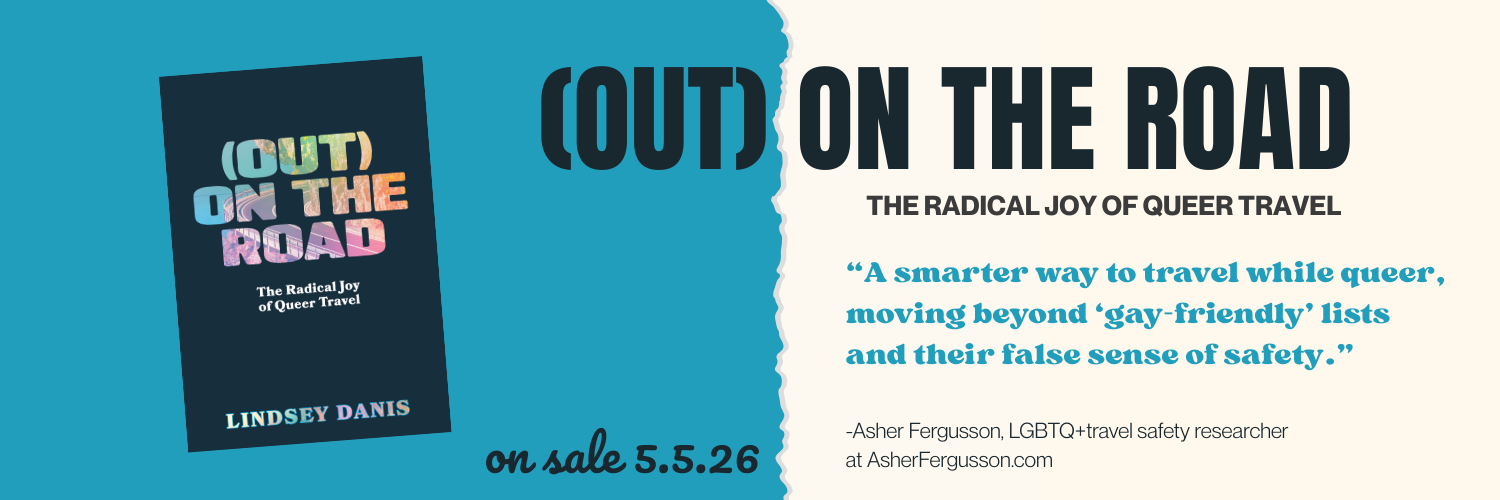
My book goes into this more fully, but one helpful tip is to look for LGBTQ charities or nonprofits that serve the local community. These groups value your donation and may have suggestions of other ways you can explore the local queer scene.
Don’t center yourself
Visiting gay clubs and LGBT-owned businesses is a great way to support the local queer community.
But you have to remember that you are a guest in the space, which is run by and for the local queer community.
It’s easy to overlook this when you just want to have a fun night out. But when “having fun” looks like taking over – and treating the people who that space is for as your props – it leads to resentment.
Take the classic case of the bachelorette party that heads to the local gay bar because it feels “safe” or “not cheating” to ogle gay men.
Or this example from Nigeria, of Western queer influencers taking over the gay club and outing queer locals – and possibly putting them in danger – by making content.
Real allyship looks like showing up in gay spaces then taking a step back. It looks like going to the drag show and tipping the queens. It looks like getting a drink at the gar bar and being respectful of patrons, not touching them or telling them “you’re so cute.”
Bottom line: If you wouldn’t act this way in your favorite local bar, or around your community, don’t act this way in a queer club or gay bar.

LGBTQ Ally Definition
An LGBTQ ally is anyone who stands with LGBT people. The term is usually used to refer to straight, cisgender people that support LGBT+ rights – those who are not directly a part of the community.
Many LGBTQ allies have gay friends or family members, but this is not a requirement. Anyone can call themselves an ally for LGBT rights.
Real allies don’t just say they support LGBT rights. They act!

Why Is It Important To Be An LGBTQ Ally?
Allies provide meaningful support to LGBT+ people. This can happen in schools, in the workplaces, and in communities – anywhere LGBT people exist.
Support can take many forms, such as listening to a queer person or speaking up on our behalf. For example, if you hear someone make an offensive joke, a simple statement like “that language is hurtful to people” or “please don’t make those kinds of jokes around me” can shut things down.
Queer travelers do this kind of work all the time. But when a gay ally does it, it has a different impact.
When people with more privilege and power affirm LGBT rights, it sends the message that bias will not be tolerated. When queer and trans people ask for equal treatment, we can be criticized as overly sensitive or snowflakes, or have our hurt feelings dismissed with comments like “you’re too sensitive” or “it was a joke.”
Travel takes LGBT people out of our tight-knit communities – the places where we have a support squad around 24/7. It puts us around new people, in new cultural contexts where we might stick out more because of how we look or act.
All of this brings up anxiety and uncertainty.
Allies can help us feel more comfortable.

Do you need to do anything to be an LGBT ally other than just not hating on them as people?
Tolerating LGBTQ+ people isn’t allyship. Effective allies don’t silently support trans rights or gay marriage, they speak up and take action.

Get the Checklist: Ways to be an LGBTQ+ Ally While Traveling
I hear from so many people who want to be LGBT allies, but don’t know where to start. My checklist for allied travelers breaks down what to do at every step, from making values-aligned travel decisions to learning about LGBTQ rights in the places you’re visiting, to interacting with LGBTQ locals and fellow travelers, to inclusive language and what to say when you overhear discriminatory language!