
Why Gay Friendly City Rankings Fail Queer Women & Trans Travelers
“Is this place gay friendly?” is one of the most common questions LGBTQ+ travelers ask before choosing a destination. And it’s also one of the top drivers of traffic to this site, driving traffic consistently to my most popular posts. And it’s the question I see most often when I’m scanning travel forums, guidebooks, and listicles in mainstream travel sites.
And, hey, I get it. LGBTQ travelers want to know how inclusive a place is, so we can plan and prepare for our trips. We frame our question as “is this UK gay friendly” because we know that query will get results.
But here’s the thing. Language matters. And when we search for information on how gay friendly a city is, the answer usually reflects the experiences of gay men.
Most “gay friendly” rankings are built around a narrow set of assumptions about who is traveling, how sexual orientation is expressed (or when and where it’s acceptable to do that), and what “friendliness” looks like on the ground.
But queer women, transgender people and nonbinary people often have different needs, desires and points of view.
Put simply, the experiences two cis gay men have roaming around don’t always translate to our experiences.
“Gay friendly” information isn’t useless. It’s incomplete.
TLDR – Those “gay friendly” rankings can be super useful, if you keep a few things in mind.
What Gay Friendly City Rankings Actually Measure
Cities that get top marks for being gay friendly tend to have a few things in common:
- They’re cities. And they tend to have progressive governments with all the right laws – though of course, not all of them do!
- On paper, they get full marks for equality. Everything looks good, with all the protections and widespread social acceptance that should make queer travelers feel at ease.
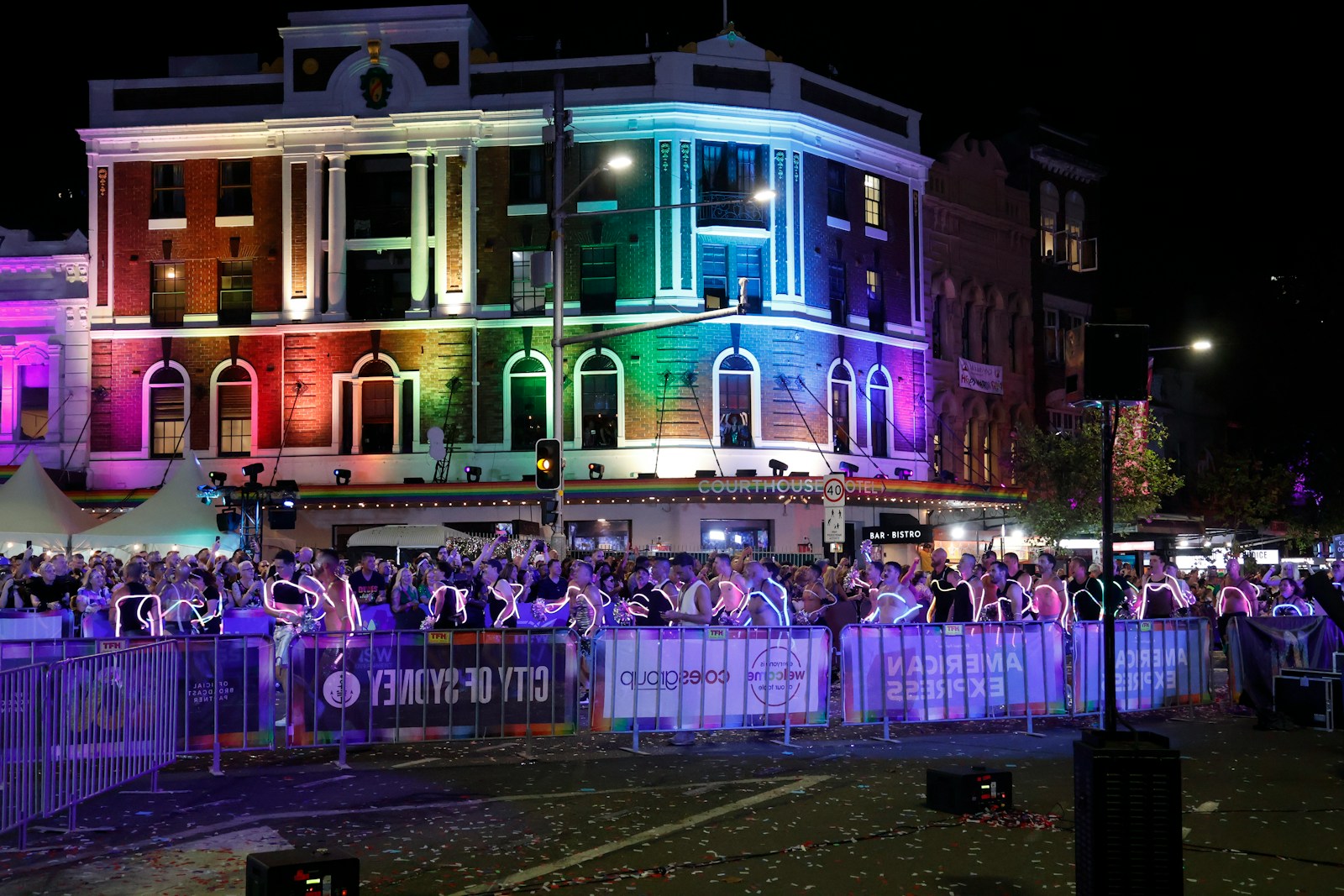
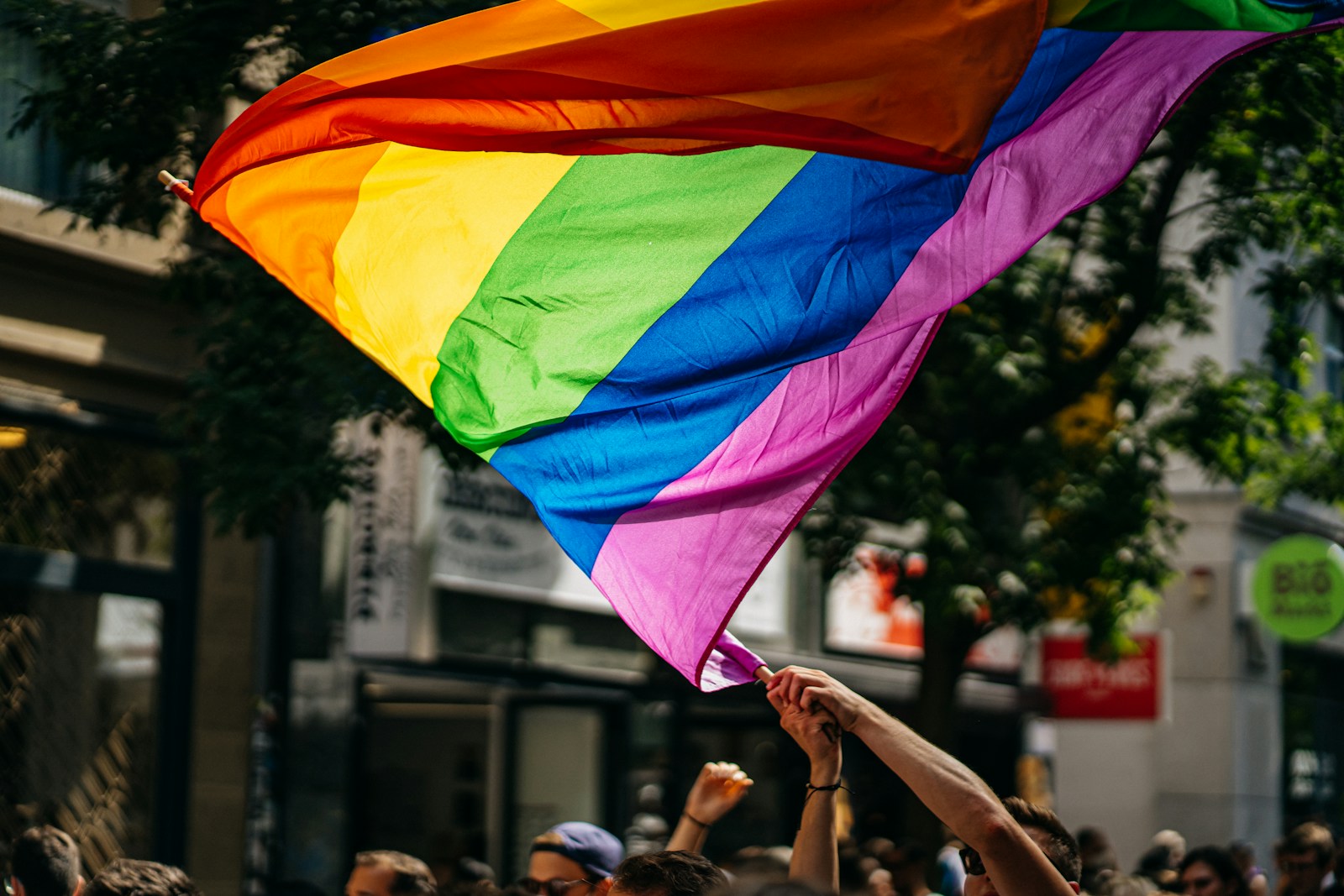
- There’s a gayborhood, and it’s full of queer owned businesses and rainbow flags.
- Queer people are visible (and visibly demonstrative) in public spaces. But because this isn’t always culturally acceptable or appropriate, a lack of public visibility can be misconstrued as a lack of safety or acceptance.
- There’s a ton of nightlife. Think gay bars, gay clubs, etc. In fact, a city might only be deemed gay friendly because of its nightlife…which says a lot about our cultural stereotypes
Who Gay Friendly City Rankings Work Well For
Gay male travelers
If you’re a solo gay traveler or a gay couple, these rankings are probably spot-on.
You can take those recommendations with few to no accommodations for your preferences, because they’re made for you.
The rest of us? We have to do a bit more work to understand how those gay friendly rankings translate for us – or how they don’t.
Urban travelers
If you’re visiting a big city, the rankings work pretty well, too.
But in my opinion, this gives a false sense of security!
Some rankings default to assuming that big cities are inclusive and friendly and smaller cities or rural areas are automatically less so. They’ll even give extra points to big cities on the assumption of safety and welcome and subtract points from smaller cities for not looking as good on paper.
Personal experience has taught me to take this stereotype of big urban safety with a massive grain of salt.
There are countless exceptions of small towns and secondary cities that are just as inclusive (if not more so) than the big cities or blue states we’re told are the most inclusive! And just because a big city is perceived as safe or inclusive doesn’t mean that everyone we come across, in any neighborhood we explore, will be an ally.
To equate a big city with automatic safety is simplistic.

Where the Gay Friendly Rankings Break Down for Queer Women
When the gay-frendly cities model centers the needs of gay men, queer women are a secondary audience at best.
Gay neighborhoods tend to have fewer dedicated spaces for queer women. Lesbians are lucky if there’s a single lesbian bar, or a gay bar that hosts a sapphic night once a week!
The lack of communal spaces for queer women dilutes the impact. Without one central place to go and find community, sapphics scatter. We feel alone when for all we know, there are other queer women in the bar around the corner feeling like the only one!
Even if we show up in gay spaces, we can find ourselves unwanted and unwelcome.
I spent so much time hanging out in the Castro when I lived in San Francisco. My gay best friend lived there so we’d meet up at his apartment before wandering out to the gay bars.
In some of those bars, I was welcome. In others, I was ignored. Once or twice, I was treated rudely – sneered at by men who resented my presence in the space.
This story explains two of the pain points queer women have with gay friendly city rankings:
- The rankings rely on gay clubs and nightlife where queer women are sometimes welcomed, sometimes tolerated, and sometimes snubbed – and it’s hard to gauge the reaction from the street!
- Walking around the gayborhood, queer women can feel neutral rather than affirmed when they don’t see other queer women.
Where the Gay Friendly City Model Breaks Down for Trans & Nonbinary Travelers
Many gay bars and gay neighborhoods are supportive and welcoming for the whole community, even if they are majority gay spaces.
But unfortunately, there are times where trans and nonbinary travelers feel invisible, unwelcome or even unsafe in gay neighborhoods.
For example, Dallas’s Oak Lawn neighborhood is touted as super gay friendly, but trans women and nonbinary people haven’t always felt accepted there.
One trans woman was denied entrance into a gay bar because of an ID mismatch.
Pressures like this can cause trans and nonbinary travelers to avoid nightlife, or even stay out of the gayborhood altogether, out of an assumption that it’s not worth it.
This speaks to the vigilance that feels like its necessary – especially in states where trans and nonbinary people have lost rights.
If a city is really inclusive, and not just gay friendly, then it should be evaluated on how welcoming and inclusive it is in all aspects of life.
So rather than tally up the number of gay clubs, look at laws and policies around gender identity and sexuality – as well as social attitudes.
If people can be themselves without feeling like they have to hide, and if they’re welcoming to other people rather than only people they assume who share their identity, that says a lot more about inclusivity in my book!
The Hidden Assumptions Behind Most Rankings
Gay friendly lists use certain criteria to rank and sort.
Many of these lists tell you exactly what they look at to decide how to rate a city.
But they also make some hidden assumptions, such as:
- Believing the queer visibility = safety, when this is not always true for every member of the LGBTQIA community
- Letting rainbow flags in the gayborhood stand in for acceptance in other neighborhoods, which may or may not be inclusive
- Valuing a public performance of some kinds of queerness over others
- Assuming that having all the right laws means feeling accepted, appreciated and welcome, or that legal progress is evenly felt
I’m listing these assumptions so you can examine how they could impact your trip.
I’m also listing them in the hopes that cities can do better by LGBTQIA residents and visitors. Having all the right laws is great – but if a commitment to inclusivity doesn’t move beyond paper, then there’s work to be done!
Why Travelers Keep Using “Gay Friendly” Lists Anyway
If the gay friendly lists aren’t all that helpful, why do travelers keep using them?
For one thing, there’s little else to go on!
For another, rankings feel objective – even if by now it’s clear they aren’t.
“Gay friendly city” rankings persist because people are trying to reduce uncertainty and make decisions in a world where very little information addresses the needs and desires of LGBTQ+ travelers.
Outside of LGBTQ+ destination guides like Lonely Planet’s LGBTQ+ Travel Guide or National Geographic’s Out in the World, to name two books that curate LGBTQ-friendly trip ideas, there are few resources curated for the LGBTQ+ community.
A Better Way to Use “Gay Friendly” Information
Those gay friendly lists make great starting points. But to really make use of them, it helps to filter information down to lived experience content created by people who share your identity.
LGBTQ travel blogs, Reddit threads, and TikTok videos are a few ways to cut through the noise and hear firsthand opinions from people like you.
Their stories will offer a new perspective on the simplified list, one that’s hopefully more representative of what you’ll experience.
Here are some questions I ask myself when I’m planning a trip:
- What kinds of people are super visible here?
- Who am I hearing from and whose voices are missing?
- Outside of nightlife, what makes this an LGBTQ-friendly city?
- Where are the queer-owned businesses? Are these businesses I want to spend time in, or not? And are they “for me” as a visitor in the community, or are they really meant for locals?
How This Site Approaches “Gay Friendly” Destinations
Regular readers of this site will know I sometimes write gay-friendly roundups. I do it because, as this post discusses, most travelers search for gay friendly content as a cover term – and I want to stand out to the people who search for that by default.
My coverage of gay friendly destinations differs from the mainstream.
It rarely centers on nightlife. I love a fun night at the gay bar as much as the next queer person, but that’s never going to be a huge part of how I travel, so I don’t spend much energy on it while writing posts.
My rankings look at laws around gender identity as well as sexuality, pointing out trans-inclusive policies that make places safer and easier as well as anti-trans laws that make some places do-not-go for trans and nonbinary people.
I make it a point to explain how I use rankings and recommend third-party research tools, to help travelers of all identities expand their knowledge and feel supported.
The problem isn’t that these rankings exist. It’s that they’re taken as fact when they reflect a subset of the LGBTQ+ community, rather than the whole.
Understanding where gay friendly rankings come from — and how they serve different members of the LGBTQIA community — makes it easier for all queer travelers to use the information to plan better trips.
Researching destinations with more precision means recognizing that different bodies and identities move through the same place very differently, asking better questions, and centering your needs and wants over those of some ‘average traveler.’ This requires more thinking and evaluation than if you simply accepted a gay friendly ranking and ran with it. But it also saves effort and energy from showing up in a place doesn’t feel fully welcoming.
Want to dive deeper? Explore popular trip planning advice.
- Top 10 Tips for Solo LGBTQ Travelers
- How to Plan Your First Solo Trip: Best Places to Go
- My Favorite LGBTQ Travel Apps
- The Most LGBTQ Friendly Caribbean Islands (And 4 To Avoid)
- Best and Worst States for LGBTQ Family Travel
- Best LGBTQ Family Vacations in Canada