My Go-To Scripts to Correct Misgendering – Nonbinary and Trans Travel Tips
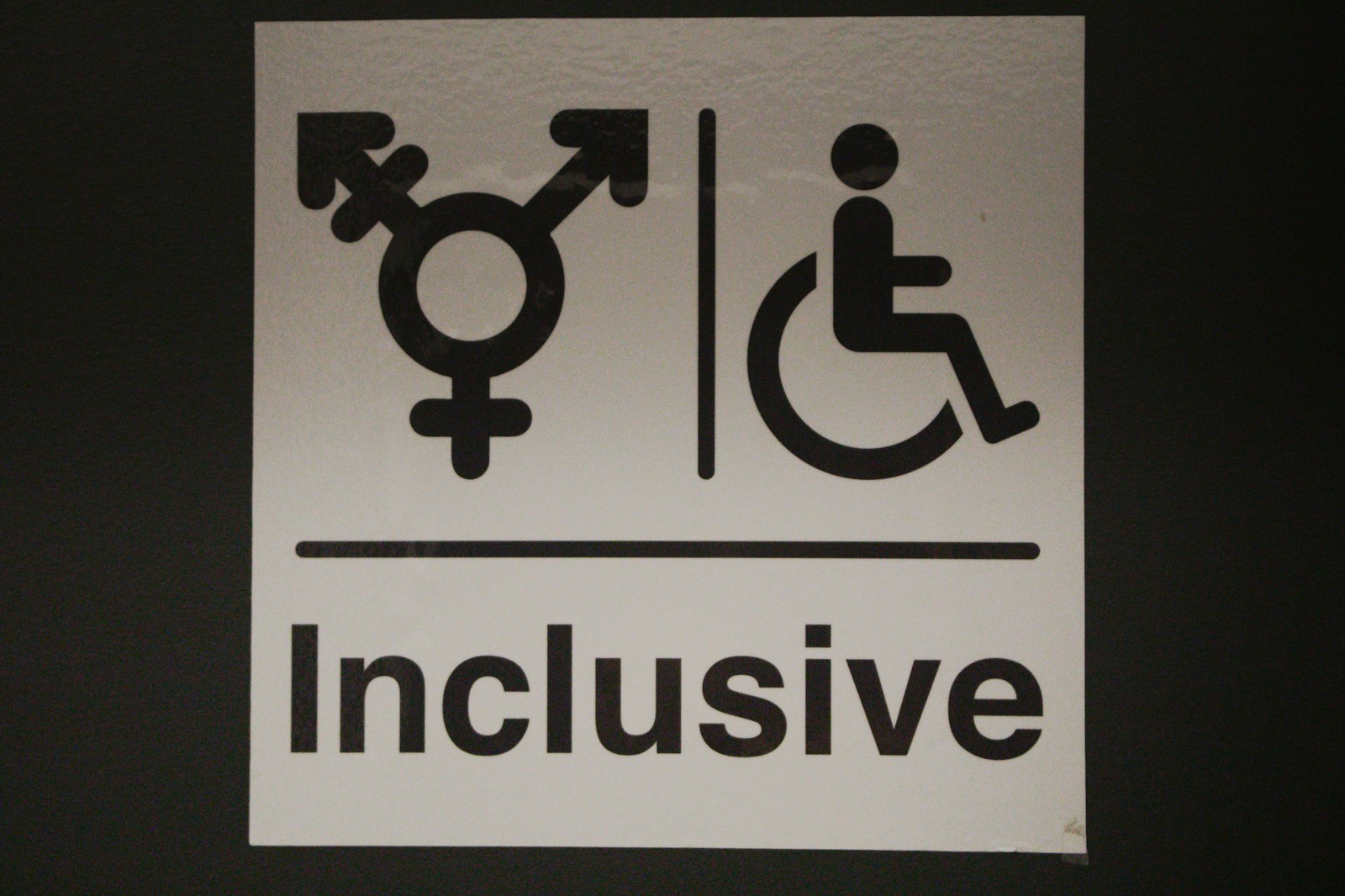
When people ask me how queer travel is different, I give an example of how queer people are misperceived, misgendered, ignored or treated rudely. For example, gender nonconforming, trans and nonbinary people get scrutinized in public restrooms. At public facilities, there may not be a gender neutral locker room or changing area. We then face a choice: do we correct misgendering or let it fly? Do we use the locker room that aligns with our external appearance or the gender assigned at birth? And if someone misperceives us, what’s the likely outcome?
I’m tired just typing this out.
The important thing to understand it, there is no one right answer. No one size fits all. Because every scenario is different.
Sometimes it is safer to let an assumption go unchallenged. Sometimes it’s easier, and we opt for ease because we are tired.
For example, if you’re nonbinary and visiting a place that doesn’t have a concept of third gender identities or neutral pronouns, then why bother explaining to the listener?
Other times, we stand up for ourselves. We correct misgendering, let the other person know what they got wrong, or ask for what we need with an expectation that we deserve it.
Advocacy Scripts: My Secret Weapon for Inclusive Travel
Advocacy is an important part of teaching people how to meet our needs. It’s not always easy to do when you’re trans or nonbinary.
It takes energy we may not have – especially if we are thrown into a situation after a long day of travel, when we simply want to check into an inclusive hotel and rest.
I still struggle with advocacy. And then I wish it was easier for me and spend some time beating myself up!
One solution that makes it a little bit easier for me is finding positive examples of affirming language and saving them to my phone. This way, if I’m educating someone around careless language and they say, “well, what word should I use instead?” I have examples to point to.
Having examples saves me from having to come up with a more inclusive alternative on the spot, when I might not be thinking rationally because I’m upset or hurt.
It helps me feel prepared going into a situation where I’m not sure how I’ll be treated – say, a situation where previous bad experiences have given me good reason to be cautious.
It lowers my stress level and makes me feel supported, even if I don’t need those scripts to fall back on (always the best outcome, in my opinion).
So when I saw this thread asking trans and nonbinary people what words helped them feel welcome and invited into spaces, I took note of how people responded – and more just as importantly, what they didn’t say.

Affirming Language for Transgender and Nonbinary People: Most Common Options
While different terms make different people feel welcome, there were some clear winners in the thread. These terms came up over and over again:
- Trans and nonbinary people welcome – because if trans and nonbinary people really are welcome, why not be explicit about it?
- Trans and gender expansive people welcome – This variation feels more affirming for some!
- All genders welcome – Unlike “all are welcome” weaksauce parroted by places that dropped DEI and don’t want to lose their queer travelers this lands. Why? “all genders” acknowledges the range of gender identities
- “No tolerance for transphobia” or “no bias of any kind including transphobia” – When you just want to spell out what’s not acceptable, this lands.

Inclusive Terms That Give Nonbinary + Trans People The Ick
Respondents were vocal about terms that turned them off – having the exact opposite effect of the person who used them trying to be LGBTQ-inclusive.
If you use these terms to be LGBTQ-inclusive, consider replacing them:
- Nonbinary/trans – Some nonbinary people find the slash offensive, as it suggests that nonbinary and trans are two separate identities when in fact some nonbinary people classify themselves as trans, too!
- Women and enbies/femmes and thems – These terms got pushback from AMAB nonbinary people and trans men for two reasons. “Femmes and them” and “women and enbies” wording did not feel inclusive. More important, some felt these terms erased their identities.
- Enbies – Some nonbinary people adore enby/nb. Others find the cutesy term grating or infantilizing. When in out, avoid.
- Womxn, women+, etc. – Anything that reads as “women-lite” leaves TGNC people questioning if there’s a space for them
- FLINTA – FLINTA (or FLINTA*) is a German term meaning female, lesbian, intersex, nonbinary, trans and agender people. FLINTAQ adds queer into the mix. While nobody on the original thread called out the term specifically, to me that speaks to its unpopularity – at least in North America. The term may be more familiar, and thus more popular, in European queer circles.
If you’re trying to plan a super inclusive party but use language that raises red flags for some, you won’t get very far! I believe it’s important to point out which terms don’t resonate with the target audience so allies can learn and modify their language.
The point of this is not what special snowflakes LGBTQIA people are. It’s how fast language changes and evolved.
Terms that were developed to be inclusive may not feel inclusive to the people they’re supposed to invite. Consider “Latinx” which was popularized in academic circles and loathed by many Latine people for multiple reasons, including the fact that the letter “x” was forced onto indigenous languages by Spanish colonizers.
Want a better gender neutral term for Hispanic peoples? Here’s a resource for that.
Why Keeping Up With Inclusive Language Matters
Preferred terms are always changing, as are the way people use them.
A label that feels just right today may not feel like a fit tomorrow, and that’s fine. We are allowed to change our minds.
What matters is staying committed to helping all people feel welcome – starting with using language that invites people in, rather than gatekeeps.
I’m curious – do any of these terms land with you? Or is there something you lean toward that didn’t make the list?