Influencers are ruining Nigerian queer clubs for likes and views
Nigerian queer clubs are underground for a reason. Here’s why Western tourists filming content in Lagos’s LGBTQ+ spaces do more harm than good.
“Lagos is one of the queerest places in the world,” writes Adebayo Quadry-Adekanbi in an opinion piece for Shado called Queer visibility is not doing what we think it is.
While queerness is integral to Lagos’s culture, Nigeria’s queer culture thrives out of the spotlight – under the radar, not always visible, without calling explicit attention to itself.
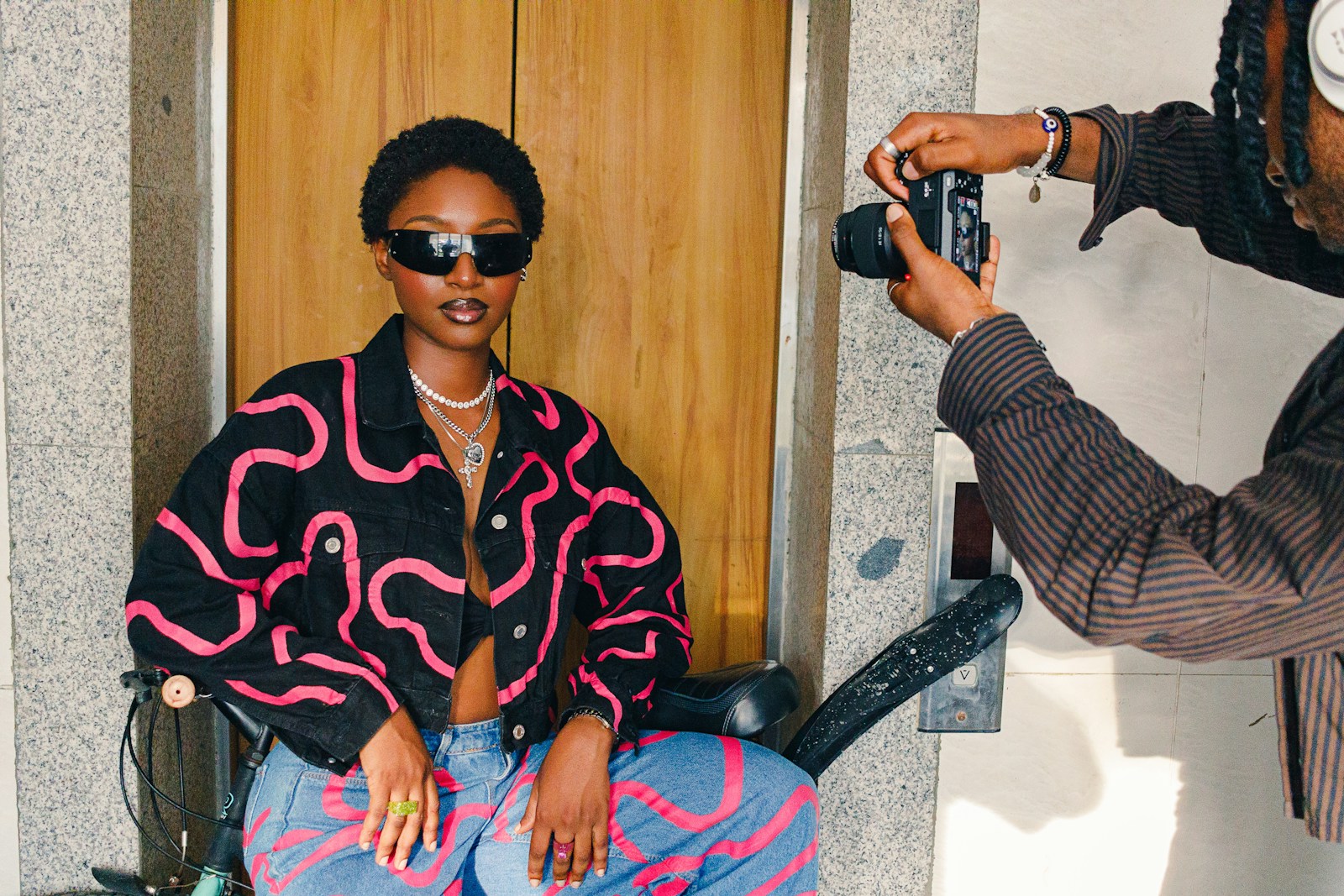
So what happens when a bunch of Western queer content creators roll up to the queer clubs of Lagos to shine their light where it’s not wanted, all in the name of representation and visibility?
Open the article and read through it – it’s a well-written critique that’s deeply informed by the author’s engagement in the culture – again, something that an influencer on a weeklong holiday can’t have.
Quadry-Adekanbi unpacks the work of Nigerian queer activists in reclaiming visibility and public space as they continue to advocate for themselves. And he critiques the conflation of queer visibility with liberation, ie the belief that if queer people just attain the right amount of representation and visibility, they will be more free.
Why Queer Visibility Doesn’t Always Mean Liberation
Visibility does a lot of things for the queer community.
It can reduce barriers to freedom, for example by breaking down the harmful stereotypes that play into societal bias.
But on its own, it doesn’t engender liberation.
And in the context of Nigeria, when it’s a Western queer influencer who is popping up in the gay club to film content, and effectively virtue signal or sensationalize Lagos’s underground queer scene for engagement, it can backfire for the locals who don’t fly home at the end of the week.
As Quadry-Adekanbi writes,
“Coming from or living in a country that is presumed ‘better’ and ‘safer’ for queer people, such as the UK, USA, or Canada, some content creators present insights and experiences from spaces like Nigeria that are presumed ‘bad’ and ‘unsafe’, often without any critical engagement. Content creators in Nigeria can also capitalise on this dichotomy of ‘good’ vs ‘bad’ states by providing sensationalised content, also without any critical engagement. This provides data to a curious international traveller who wants to signal their chicness by consuming other cultures.”

Why It’s So Hard to Find Nigerian Queer Clubs
What the content creators don’t know – because they do not know the culture on anything beyond a surface level – is that the Nigerian queer clubs they’re visiting don’t explicitly advertise themselves as queer parties. They often hide in plain sight, advertised through word of mouth or coded language to those in the know.
Queer parties in Lagos are hard to find for a reason.
When a foreigner comes in, films content, and posts it without this understanding, what they’re doing isn’t creating visibility for the queer safe space, but vulnerability that comes when exposure isn’t wanted, because there aren’t public protections to guarantee safety.
Here’s Quadry-Adekanbi again:
“Bringing visibility to the few informal infrastructures that queer people in spaces of criminality have developed to find joy is NOT doing what you think it’s doing. This is especially true if your intended audience is not within the group you’re speaking about. Those who NEED to know about these structures already know about them. In fact, often content creators speak to the fact that they only heard about these events via word of mouth. So, who does the visibility you’re providing through the video serve? What are you doing for the queer communities in Lagos by making your TikTok videos about their parties?”
Bottom Line: What If Queer Tourists Left Places Better Than They Found Them?
Whenever I travel, I consider how I’m moving through the places I visit. Am I choosing to stay in a hotel chain that’s convenient or booking a bed and breakfast run by a local family? Who is running the tours and excursions I’ve booked? In what ways am I giving back to the local community with my dollars? Where for the sake of convenience do I go with the familiar option? Where can I do more?
The idea of going to Nigerian queer clubs, filming your night out and posting it is extractive. It’s antithetical to the kind of experiences I want to have when I travel. And it’s super detrimental to the local community, who doesn’t have the same tourist privilege as foreigners.I wanted to share this article because it highlights many of my own issues with travel culture and travel content creators. If this bothers you, let it prompt you to think: How can I show up better in the places I visit, so that my trip has a positive impact not just on me personally, but on the places I visit and the people who live there?
There’s been a huge backlash over the years to geotagging hiking photos – the complaint being that letting everyone know about your favorite local trail brings crowds, and a high volume of hikers can ruin a sensitive natural environment.
Not to mention your experience, if you go out in nature for some peace and quiet, like me!
What would happen if tourists brought the same level of consideration to local people as we did to places?
If we thought about content creation through a version of Leave No Trace?
Or if we showed up in countries that have different laws and social norms not convinced of our moral superiority (or the need to ‘save’, ugh), but with humbleness and curiosity?